
Refusal of care by a doctor

Sirine goes to a doctor after obtaining an appointment. Once at the office, the secretary asks her to take a seat, but when it’s her turn, the doctor refuses to examine her if she doesn’t remove her headscarf, stating that his office is secular. Sirine leaves the office wondering how she could have reacted. What […]
IFSI (Nursing Training Institute) and Religious Symbols
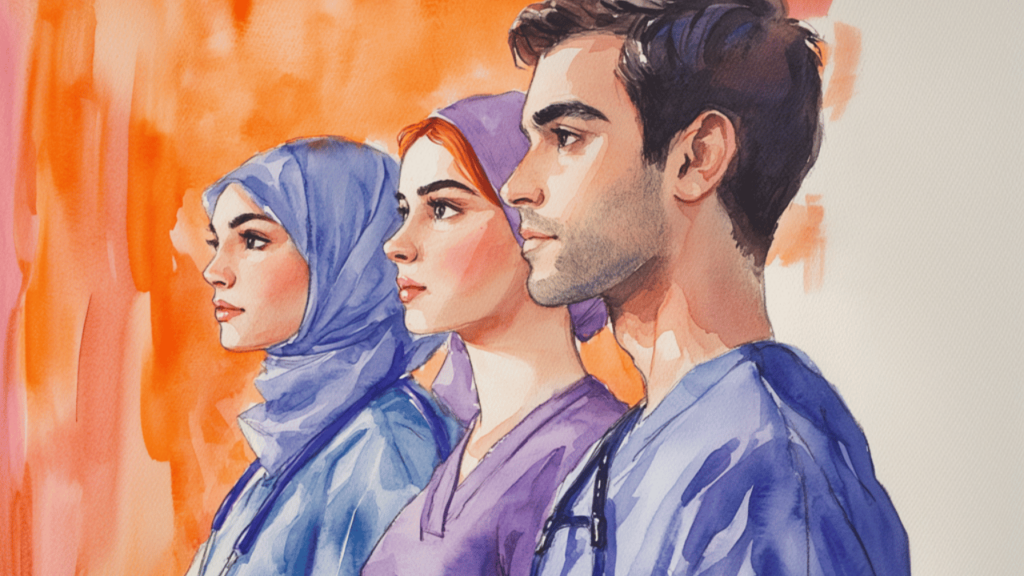
During her enrollment in a nursing training institute (IFSI), Houyam is informed that her admission is conditional on removing her headscarf within the institute, during theoretical training and practical work, in application of the principle of secularism. What does the law say? Religious freedom is a principle enshrined in French constitutional law as well as […]
GRETA and Religious Symbols
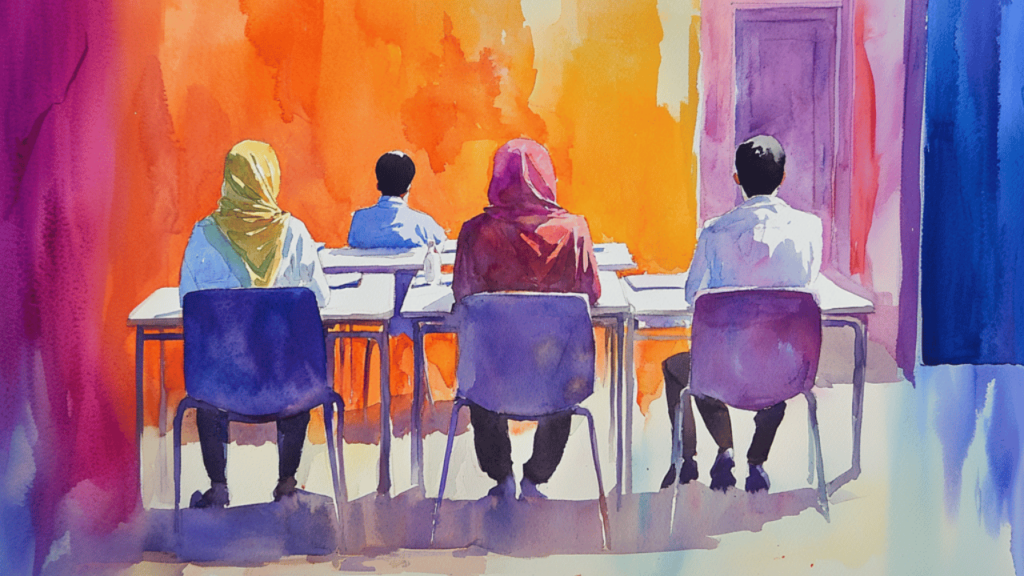
Sarah wishes to undertake professional training provided by GRETA. Her application was accepted, but when she arrives at reception, she is approached by the director who informs her that she cannot join the training while wearing a headscarf. The director cites the internal regulations which state: ‘In application of the principle of secularism, the wearing […]
Defense and Citizenship Day
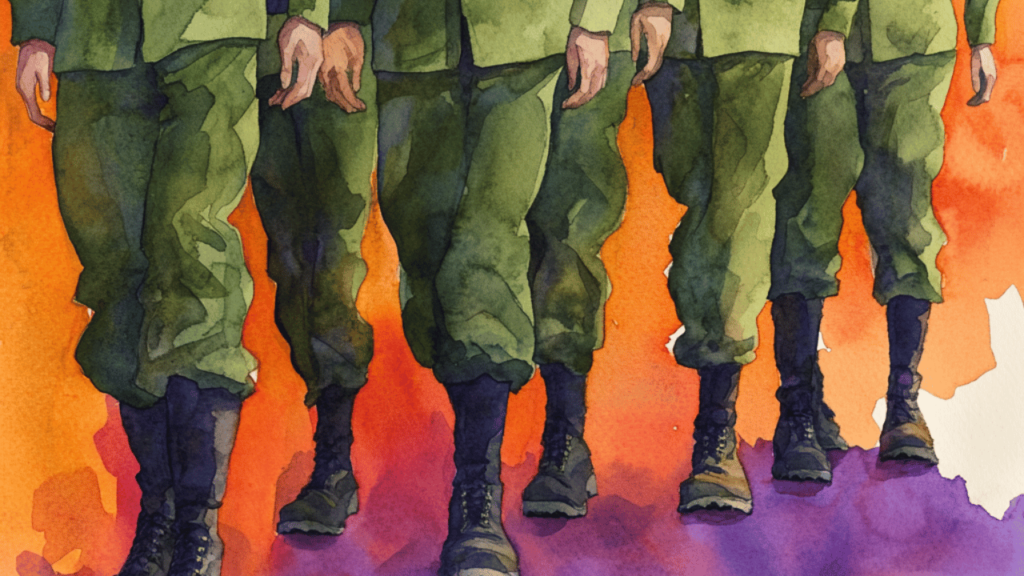
Sihem has just completed her citizen registration and will receive a written summons in a few months indicating the date and location of her Defense and Citizenship Day (JDC). She wonders if it is mandatory and if she can keep her headscarf on during this day. What does the law say? What is the Defense […]
Time Limits and Statute of Limitations in Criminal Matters

Definition Statute of limitations refers to the period beyond which a legal action, civil or criminal, is no longer admissible. It can apply to real or personal rights, movable or immovable property. The statute of limitations is a principle with constitutional value whose rules fall within the legislative competence (art. 34 Constitution; Constitutional Council No. […]
Insult

What does the law say? Insult is defined by the law of July 29 on freedom of the press of 1881 as “Any outrageous expression, term of contempt or invective that does not contain the imputation of any fact” (art. 29 para. 2). Thus, unlike defamation, insult does not impute a specific fact to a […]
University Enrollment

During her university enrollment, Nawel is informed that registration at the university is conditional on removing her headscarf, in application of the principle of secularism. What does the law say? Religious freedom is a principle enshrined in French constitutional law as well as international and European law. Higher education is not affected by LAW No. […]
When Am I a Victim?
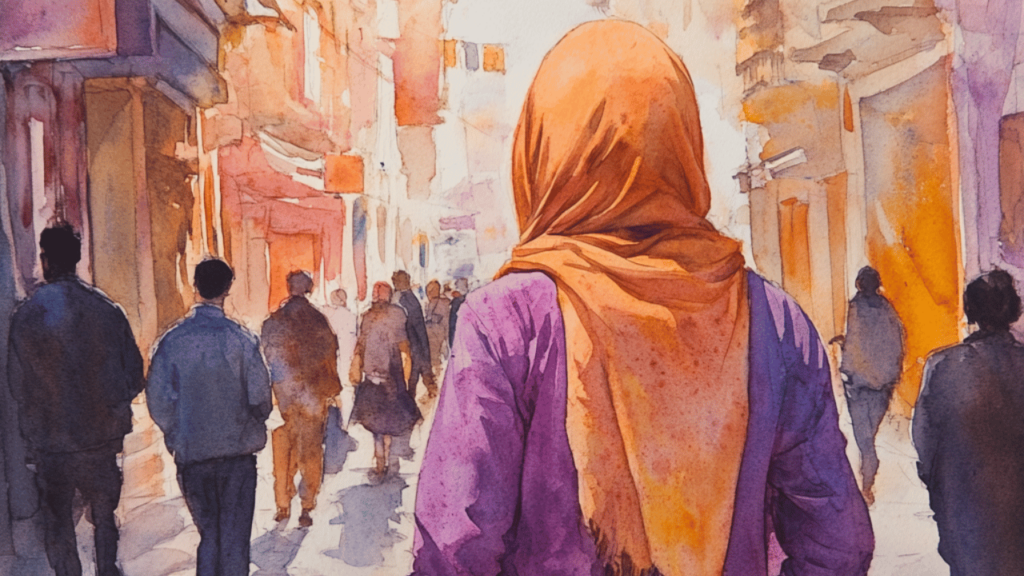
The concept of victim is not clearly defined in French legal texts. In the definition given by the United Nations General Assembly (resolution 40/34 of December 11, 1985), victims are: “Persons who, individually or collectively, have suffered harm, including physical or mental injury, emotional suffering, material loss or substantial impairment of their fundamental rights, through […]
Public Schools and Wearing Religious Symbols

Nadia, a second-year student in a public high school, wears a headscarf. She complies with the provisions of the law of March 15, 2004. However, for the past few days, the school principal has been asking her to remove her headscarf as soon as she reaches the sidewalk opposite her school. She is therefore questioning […]
Publication of My Photograph Without My Consent

Sofia discovers with shock that her image appears on the front page of a press review. The said photograph is accompanied by the following title: The New Face of Radicalization. What does the law say? The right to one’s image stems from the right to respect for one’s private life (Art. 8 of the European […]